
If your gas stove isn’t giving out a strong flame like it used to, it’s likely that something is interfering with the gas flow or combustion process. Apart from slowing down your cooking process, a weak flame can also indicate that a part needs to be fixed or replaced.
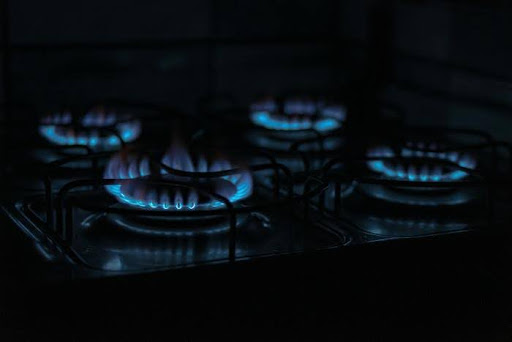
Causes of Weak Flames
When the flames on your stove burners are weak, it can be a sign of several different problems. Here are the most common causes:
- Clogged Burner Ports – Over time, burner ports can become clogged with food debris or grease. This can restrict the flow of gas and cause weak flames. To fix this, you’ll need to clean the burner ports.
- Faulty Regulator – The regulator is a component that controls the flow of gas to your stove. If it’s not working properly, it can restrict the flow of gas and cause weak flames. A faulty regulator will need to be replaced.
- Low Gas Pressure – If the gas pressure from your main supply line is too low, it can cause weak flames on your stove burners. This can be caused by a variety of factors, such as a partially closed gas valve or a problem with the supply line. You’ll need to contact your gas company to address this issue.
- Faulty Igniter – If the igniter on your stove burners is faulty, it may not be able to light the gas properly. This can cause weak flames or no flames at all. The igniter will need to be repaired or replaced.
- Identifying the cause of your weak stove burner flames is the first step in fixing the problem. In the next section, we’ll explore the solutions for each of these issues. Source: Profixit
What are the risks of using a gas stove with a weak flame?
A weak flame may seem like a minor issue, but it can lead to serious consequences. Here are the key risks to consider:
- Incomplete Combustion – A low flame may not burn gas efficiently, increasing the risk of carbon monoxide exposure.
- Gas Leaks – Weak flames may indicate blockages or leaks, which pose fire and explosion hazards.
- Food Safety Issues – Inconsistent heat can result in undercooked food, leading to potential health risks.
- Increased Gas Consumption – A struggling burner uses more gas to maintain temperature, increasing your gas bill.
If you notice a persistent weak flame, avoid using the stove until the issue is resolved. Additionally, if the gas stove burner fails to light properly, it can indicate an underlying issue, such as a clogged burner or faulty ignition system, which can affect both flame strength and safety. Source: Apex Gas Heater Service
Step-by-Step Gas Stove Troubleshooting Guide
Safety First: Preparation Steps
Turn off the main gas supply and allow your stove to cool completely before starting any maintenance work. Gather necessary tools including a soft brush, needle or thin wire, mild detergent, and clean cloths. Ensure adequate ventilation in your kitchen during the troubleshooting process.
Cleaning Burner Components
Remove burner caps and grates carefully, noting their original positions. Soak removable parts in warm soapy water while you clean the burner heads. Use a thin wire or needle to clear blocked ports gently, working from the inside out. Avoid using sharp objects that might damage the metal or enlarge the openings.
Clean burner heads with a soft brush and mild detergent solution. Rinse thoroughly and dry completely before reassembly. Ensure all components align properly when reinstalling to prevent burner flame problems.
Checking Gas Flow and Connections
Test other burners to determine if the problem affects one burner or multiple ones. Single-burner issues typically indicate localized blockages, while multiple affected burners suggest gas supply problems. Visually inspect visible gas connections for loose fittings, but avoid attempting repairs yourself. Source: Beyond Appliances
If ever you’re uncertain about solving the problem, then perhaps we can step in and do the work. Just give us a call and our professionals will be there to handle it as soon as possible!